
Prenatal Vitamins: What You Need, How Much and Why
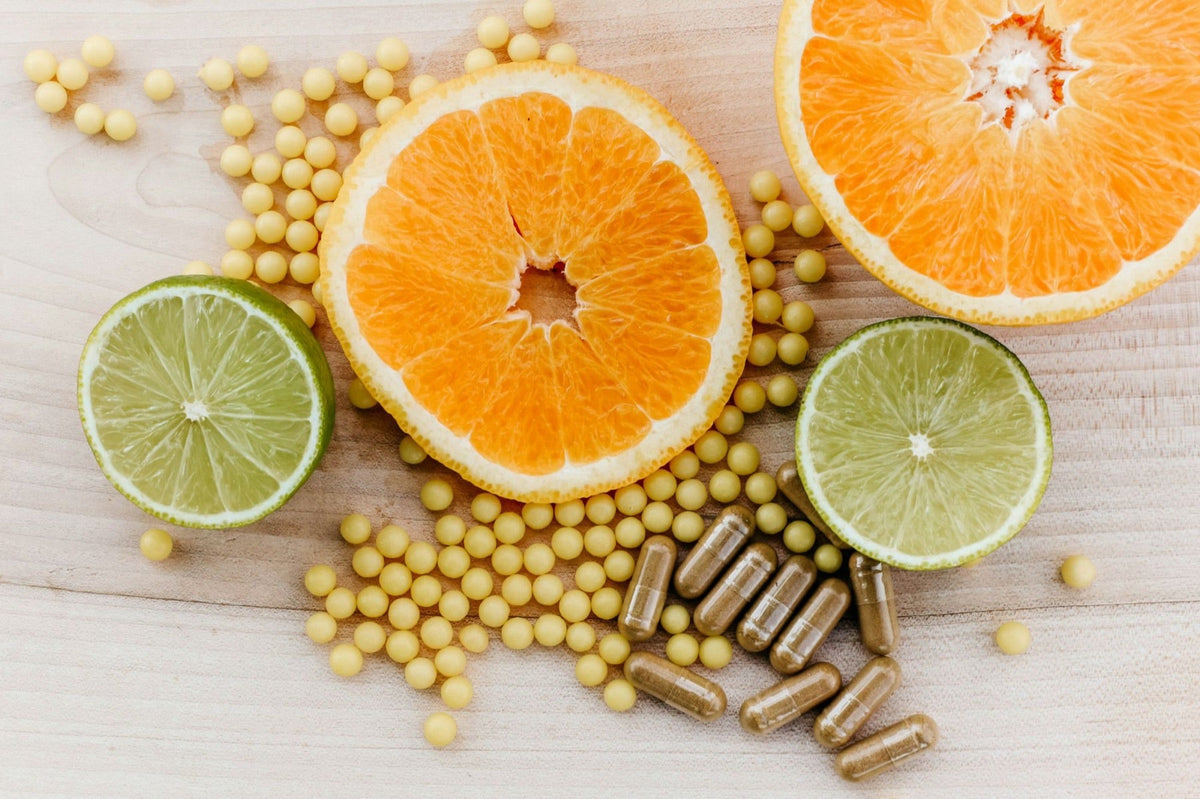
Food comes first in pregnancy, but a daily prenatal vitamin fills the gaps that are hard to cover with diet alone. Ideally, start one at least a month before you try to conceive, since the brain and spine form in the first weeks, often before you know you're pregnant.
A quick note: your provider may recommend different amounts for you. For example, a higher folic acid dose if you've had a pregnancy affected by a neural tube defect, or extra iron if you're anemic. Always follow their advice.
The key nutrients and daily targets
| Nutrient | Daily target | Why it matters |
|---|---|---|
| Folic acid | 400 mcg from a supplement | Helps prevent neural tube defects of the brain and spine |
| Iron | 27 mg | Supports your growing blood supply and helps prevent anemia |
| Iodine | 220 mcg total; look for about 150 mcg in your supplement | Your baby's brain and thyroid development |
| Choline | 450 mg | Brain and spinal cord development |
| DHA (omega-3) | About 200–300 mg | Brain and eye development |
| Calcium | 1,000 mg (food plus supplement) | Your baby's bones and teeth |
| Vitamin D | 600 IU | Works with calcium to build strong bones |
| Vitamin B12 | 2.6 mcg | Nerve development; especially important on a vegan diet |
Where to find them in food
- Folate: leafy greens, beans, lentils, citrus, avocado, fortified cereals
- Iron: lean red meat, poultry, beans, lentils, spinach, fortified cereals. Pair plant sources with vitamin C (oranges, strawberries, peppers) to absorb more.
- Iodine: dairy, eggs, seafood and iodized salt
- Choline: eggs (one yolk has about 150 mg), meat, fish, soybeans
- DHA: salmon, sardines and other low-mercury fatty fish
- Calcium and vitamin D: milk, yogurt, cheese, fortified plant milks, and some sunshine
How to read the label
- Check for the gaps. Many prenatals don't contain iodine, choline or enough DHA; some leave out iron. If yours is missing something, ask your provider whether to add a separate supplement.
- Look for third-party testing. A USP Verified or NSF seal means the product was independently tested for what it says it contains.
- Watch vitamin A. Avoid supplements with high doses of preformed vitamin A (retinol or retinyl palmitate); too much can harm a developing baby. Beta-carotene is the safer form.
- Don't double up. Taking a prenatal plus a regular multivitamin can push some nutrients too high. Check with your provider before adding anything, including herbal supplements.
Tips for taking them comfortably
- Nauseous? Take your vitamin with food or at bedtime. Gummies or a smaller pill split across the day can help, though gummies often contain no iron.
- Constipated? Iron is often the cause. Add fiber and water, and ask your provider about a different form or a stool softener.
- Taking iron and calcium? Take them a couple of hours apart, since calcium can reduce iron absorption.
- Breastfeeding? Many providers recommend continuing your prenatal vitamin while you nurse.
More in our pregnancy guide
- Healthy pregnancy meals and fruits
- Pregnancy skin care guide
- First, second and third trimester essentials
- Hospital bag checklist · Postpartum essentials
This article is for general information only and is not medical advice. Always talk to your doctor or midwife before starting or changing supplements.
Caring for stretching skin?
Our fragrance-free cream with centella, hyaluronic acid and peptides.
Shop the cream